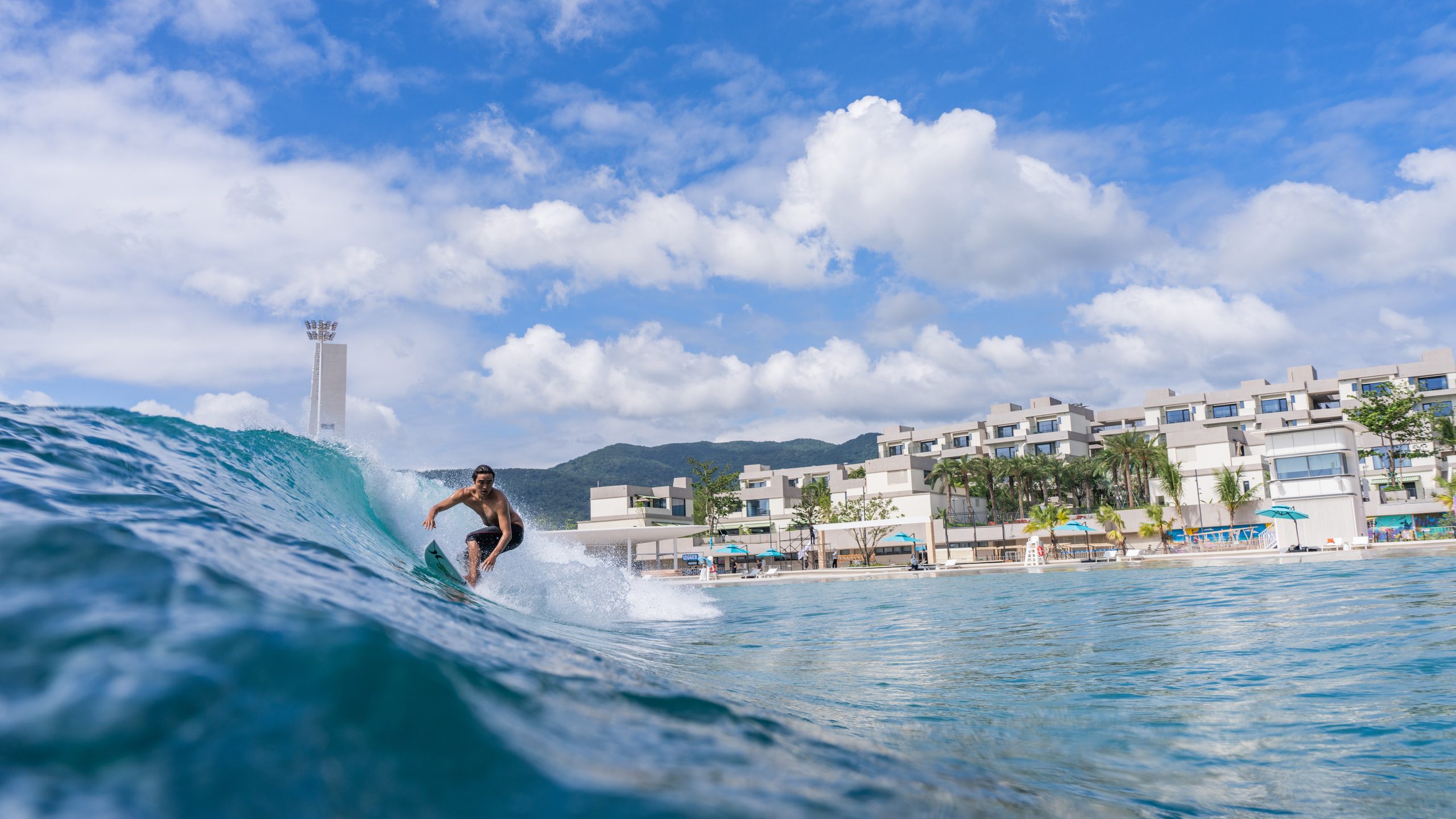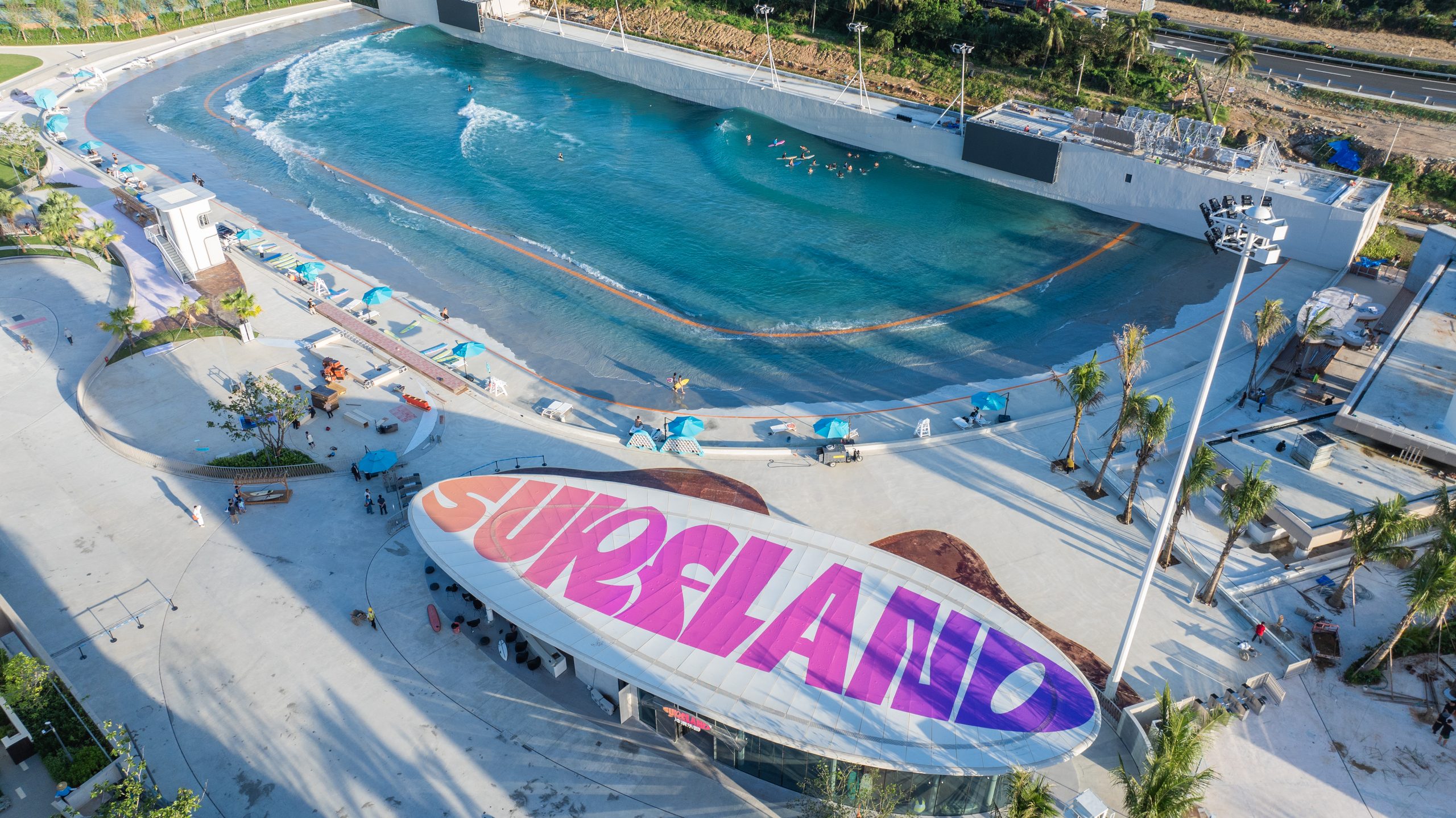
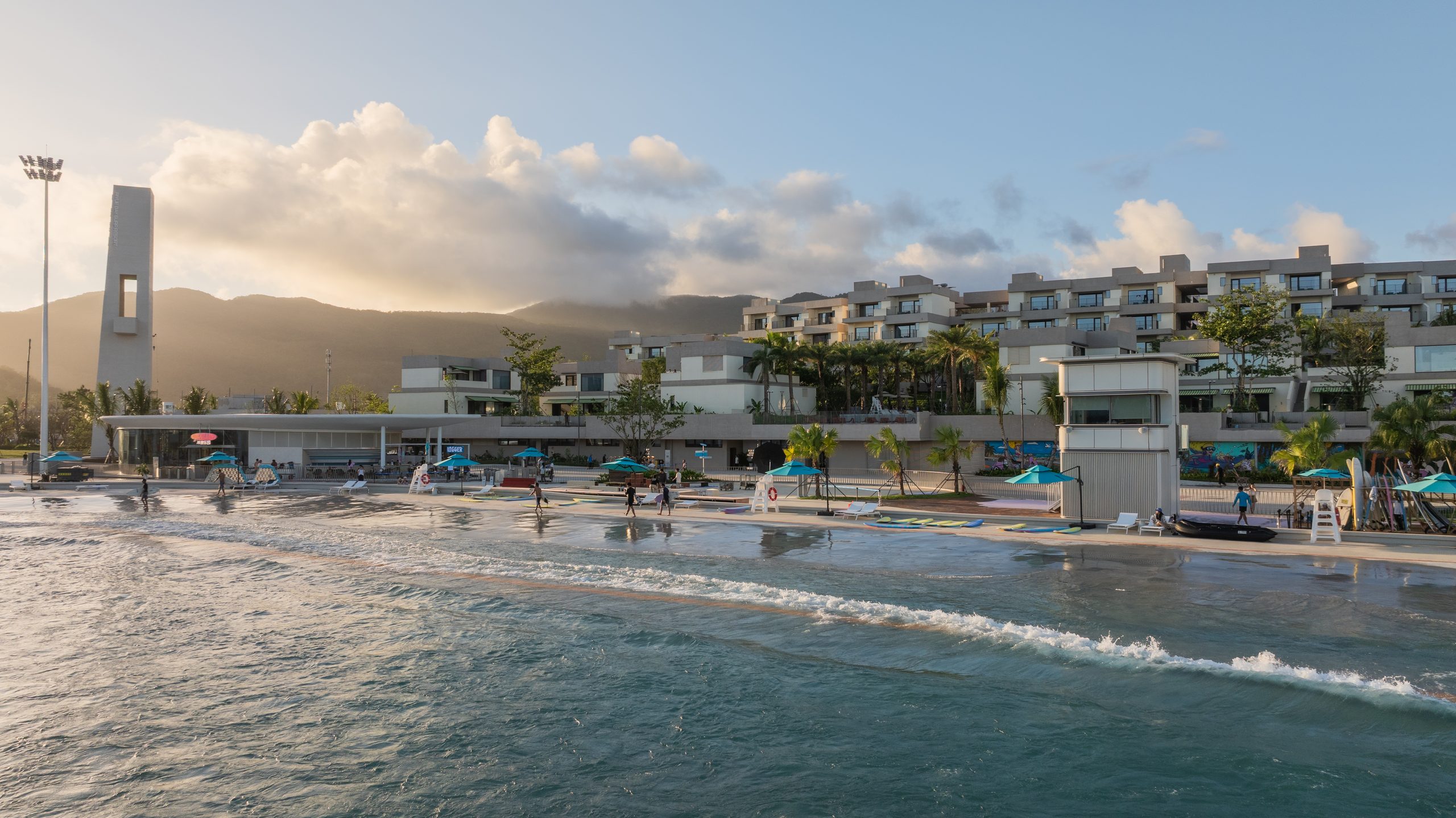
Surfers love to argue about this one. Wave pools are “cheating”; the ocean is “the real thing.” Pools are for progression; the sea is for soul. It's a good campfire debate — and at almost every surf destination on earth, it's also academic, because you only get one or the other. Riyue Bay in Wanning, Hainan is the exception: a PerfectSwell® wave pool — the world's only wave pool on a tropical island — sitting on a bay that faces the open South China Sea. Here's how the two kinds of surfing actually compare, and why the smartest trip refuses to pick a side.
What the wave pool does better
Repetition — the thing the ocean can't sell
The ocean never serves the same wave twice, which is precisely why surfing takes years to learn. A wave pool deletes that problem: the machine produces the same wave on demand, so every drill gets dozens of identical attempts in one session. Miss the section, and the same section comes back in the next set. We've written a full breakdown of how the PerfectSwell settings work — the short version is around 20 wave settings, from soft beginner rollers to performance walls, air sections and barreling waves.
Certainty
A pool session is booked, not forecast. No swell charts, no dawn-patrol coin flips, no flat spells eating half your trip. The water is warm year-round on a tropical island, and in a private session the pool runs waves for your group only — no crowds, no queue, no strangers on your peak.
Wave count
An honest ocean session might give you a handful of ridden waves an hour. A pool session delivers set after set on schedule. For anyone chasing progression — first pop-ups, first cutbacks, first barrels — the maths isn't close.
What the ocean does better
The unscripted part
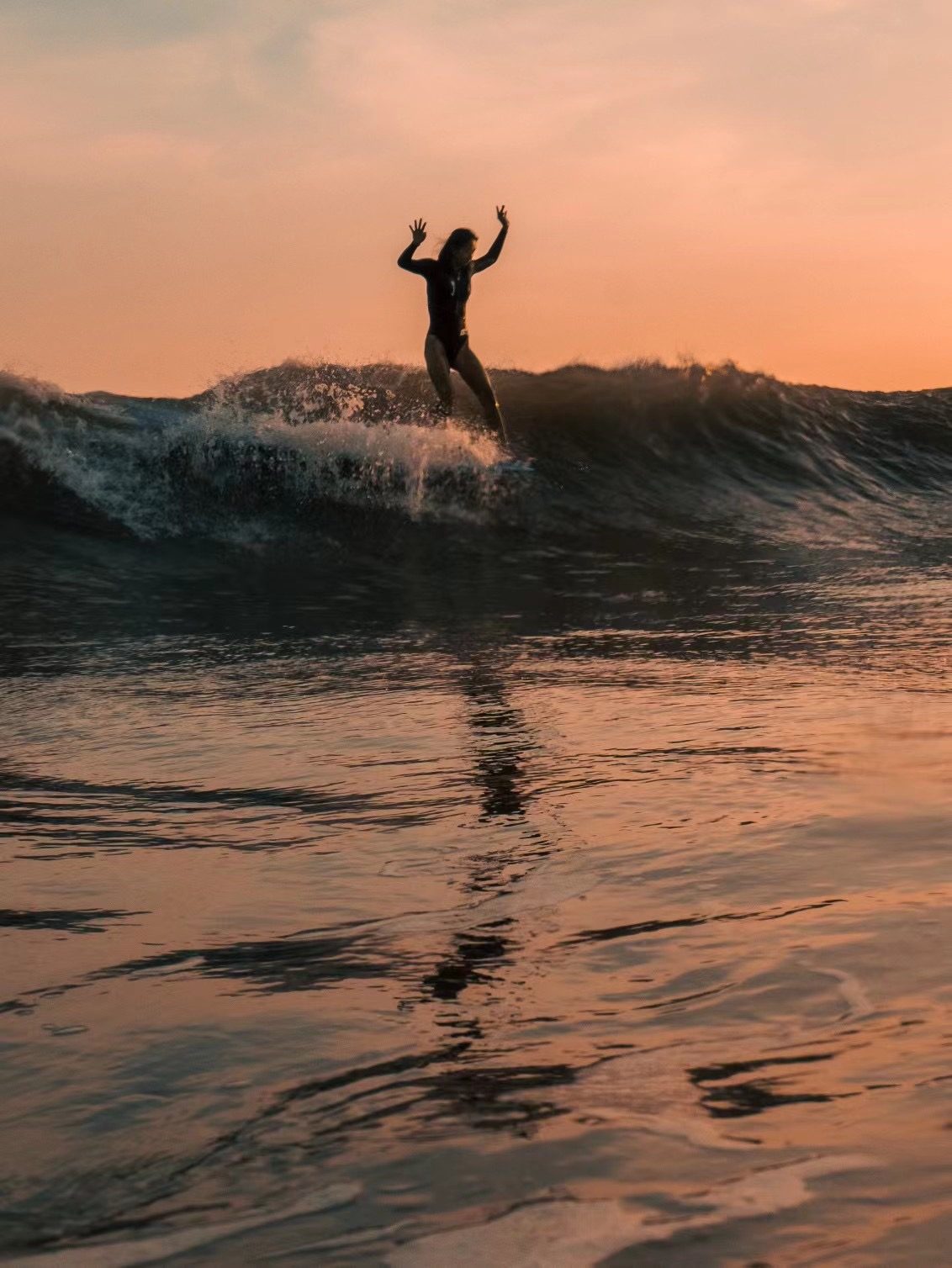
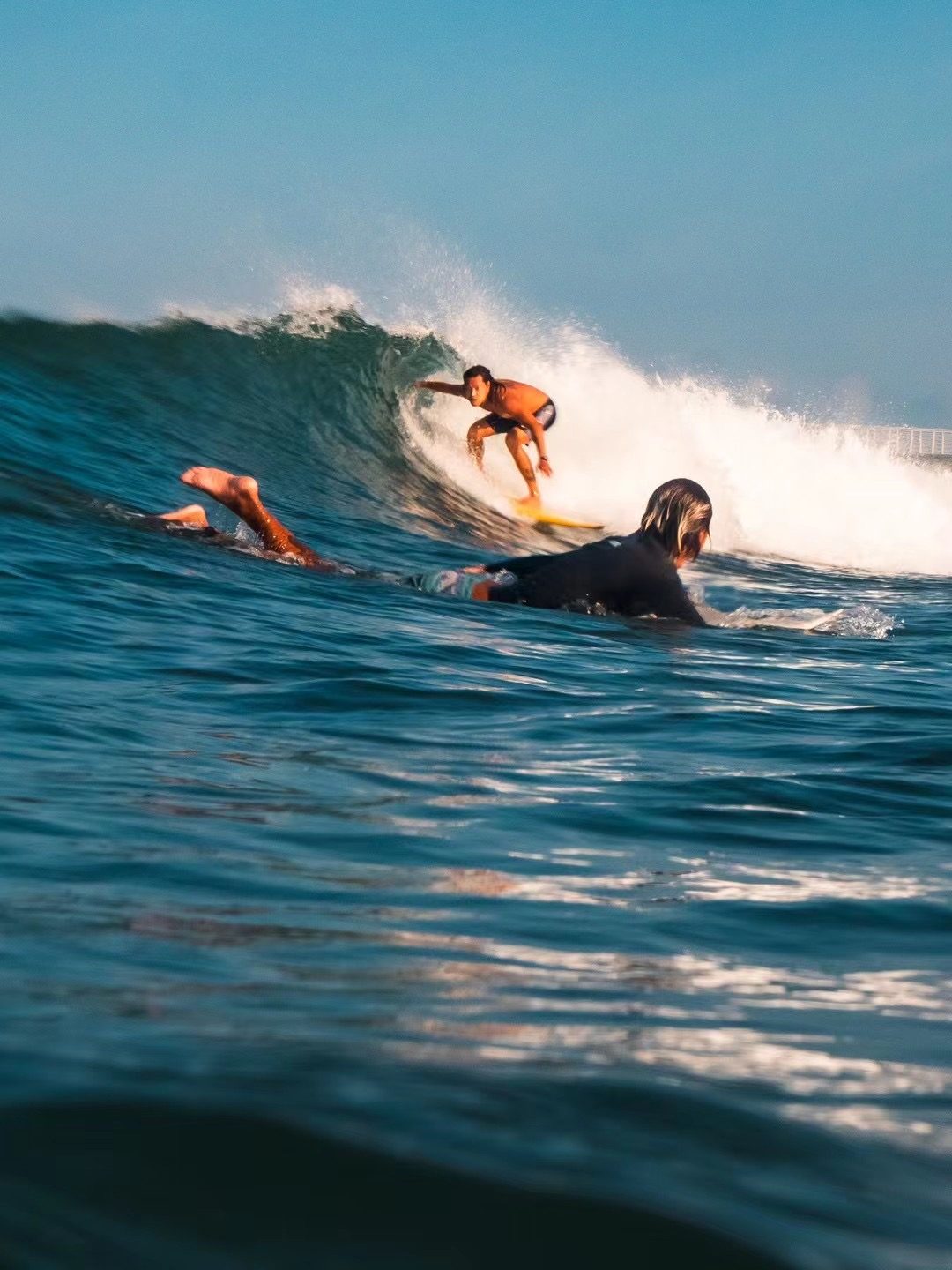
Nobody programs a sunset lineup. Ocean surfing is reading water, picking a wave out of a shifting horizon, and the small victory of being in the right spot when it stands up. That judgment — positioning, timing, wave selection — is a skill the pool intentionally does for you, and it's a real part of becoming a surfer.
Variety and scale
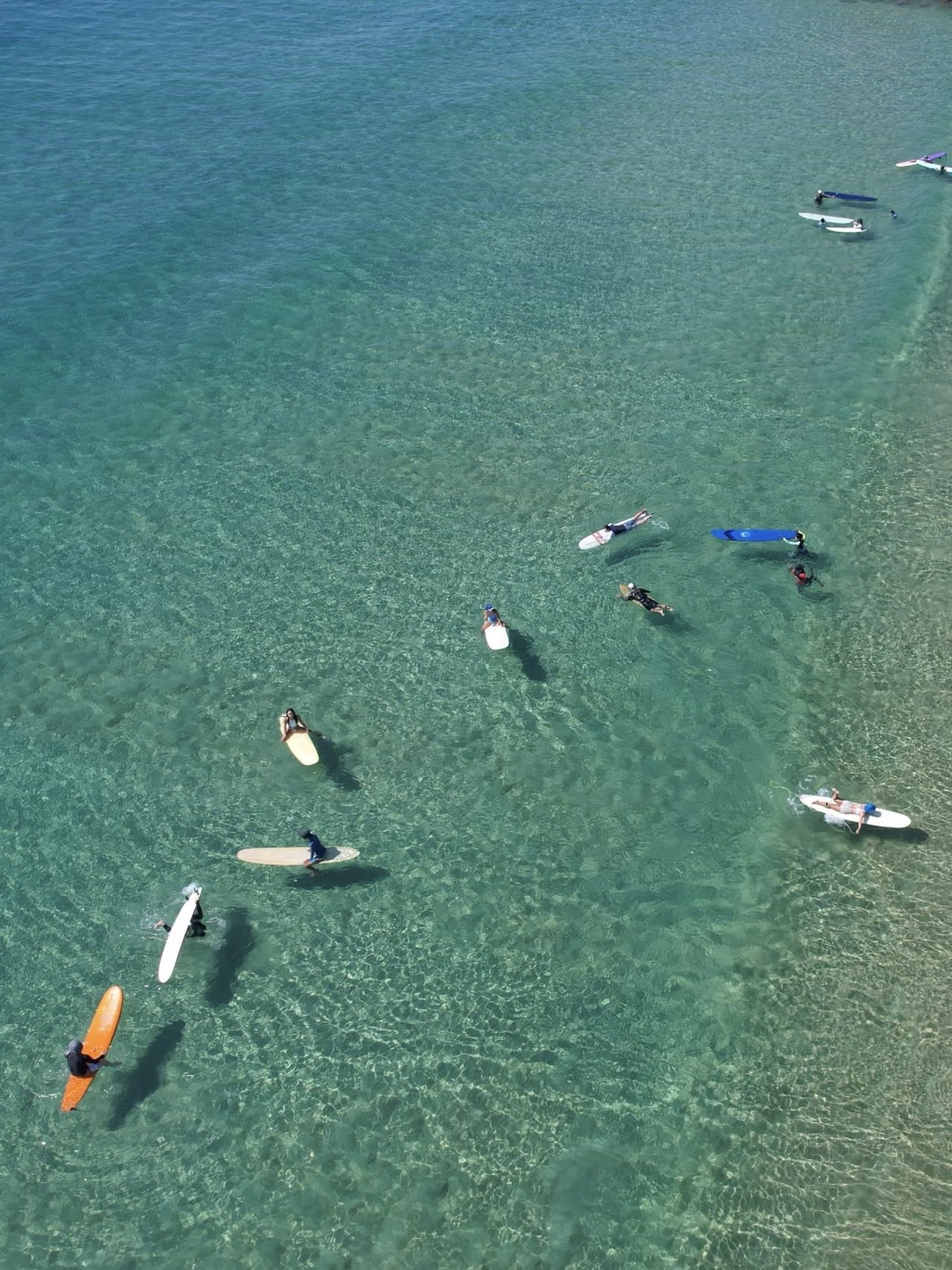
Riyue Bay's coast runs on two swell windows: a steadier seasonal window in the cooler months that produces the long, organized walls this bay is famous for — world-class longboard waves the WSL has run competitions on — and a wilder typhoon window in the warmer months that can light the coast up with faster, more powerful surf. When conditions are soft, there are gentle beach setups great for kids and first-timers too. Our ocean surfing page covers what the coast can serve up — and why we keep exact spot details for guests.
The false choice — and the Riyue Bay answer
At every other destination, this comparison ends in a booking decision: fly to a pool, or gamble on a swell window. At Riyue Bay you skip the decision. The pool anchors the trip — guaranteed waves every single day — and the ocean becomes the upside. When a window opens, the coast is minutes away; a single day can hold a morning of programmed pool sets and an afternoon in a real lineup, applying what the morning drilled in. When the sea goes quiet, nothing is lost: you're back on the settings board, out on China's best golf courses, or eating your way through Wanning's food and Xinglong coffee country.
Pool vs ocean, at a glance
Who should weight the trip toward which
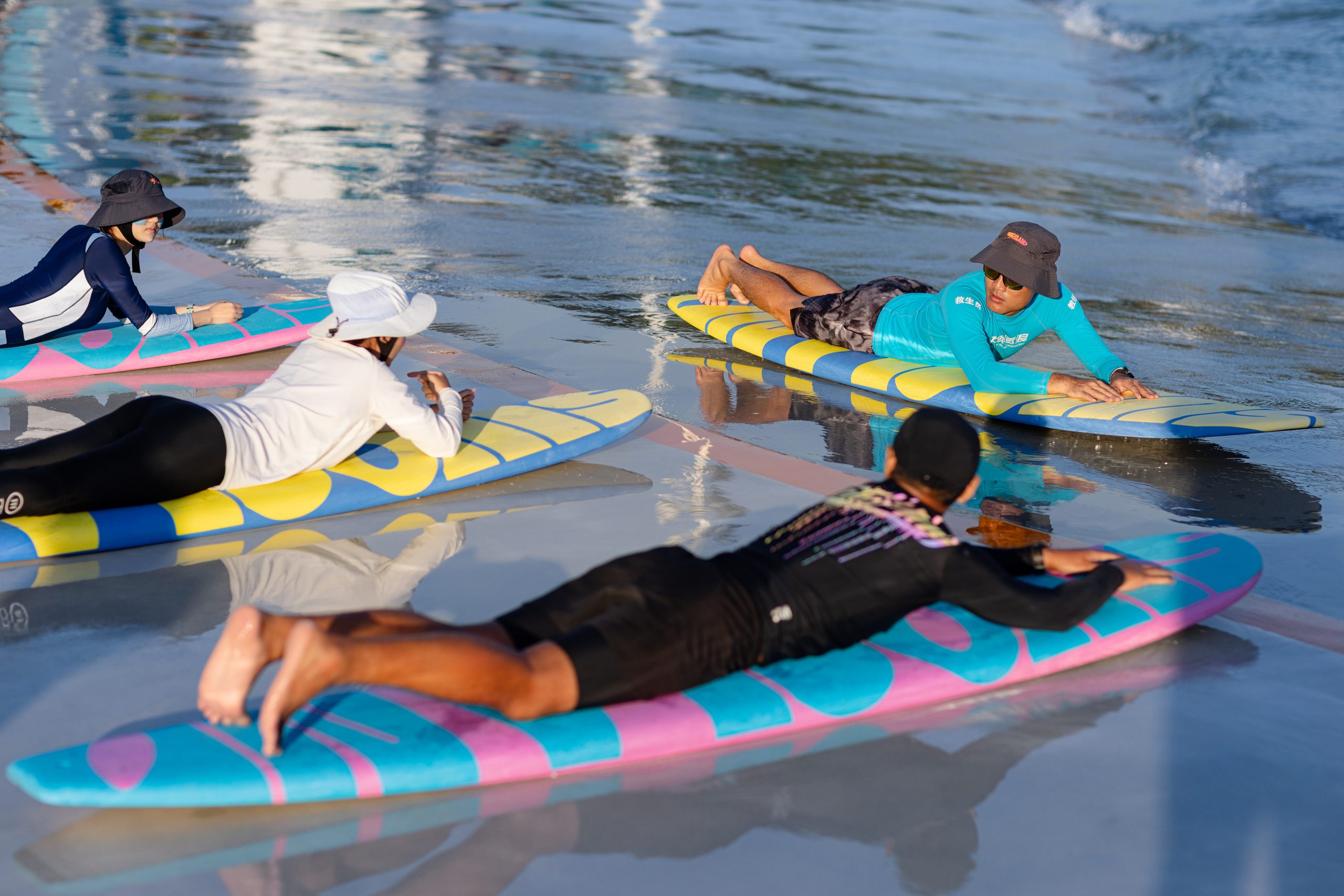
Beginners and families should live in the pool: gentle settings, coaches on every wave, and a soft ocean beach day when conditions allow. Improvers get the most from the split — drill a manoeuvre on repeat in the morning, then hunt it in the afternoon lineup. Experienced surfers can treat the pool as a training tool and warm-up while watching the two ocean windows — our season-by-season guide explains when each tends to fire. And groups with non-surfers have the easiest answer of all: the pool keeps surfing on schedule while the rest of the crew plays golf, hits the beach clubs or explores — see the accommodation options right by the bay.
Getting here is the easy part
Hainan offers 30-day visa-free entry for passport holders from the U.S., Australia, New Zealand, the UK, Canada and many other countries. Fly into Haikou (HAK) — with direct flights from Sydney and Melbourne — or Sanya (SYX), or connect via Hong Kong, Singapore, Bangkok, Kuala Lumpur or Seoul. Full routes and transfer details are in the getting here guide.
Stop choosing — book the bay
Pick your dates and book online in Book Your Wave — pool sessions, room and transfers in one price, booked when you pay — then tell us how much ocean ambition you're bringing and we'll watch the ocean windows while you're here, everything minutes apart. Browse the trip packages, check the surf calendar, or keep reading on the journal. Reach us at hello@surfchina.co or WhatsApp +8613893402173.