Every surf trip has a second story, and in Wanning it's told at the table. Hainan is the only province in China that can grow real tropical crops at scale — coffee, cacao, pepper, mango, coconut, lychee — and most of it never leaves the island. What you'll eat between wave pool sessions isn't a version of Chinese food you've had somewhere else; it's dishes that only make sense when the ingredient grew a few miles away that morning. This guide covers the four experiences worth planning around: the morning market, the seafood table, the Xinglong coffee plantations, and a chocolate workshop that starts with a cacao pod.
Xinglong: where China's coffee culture quietly began
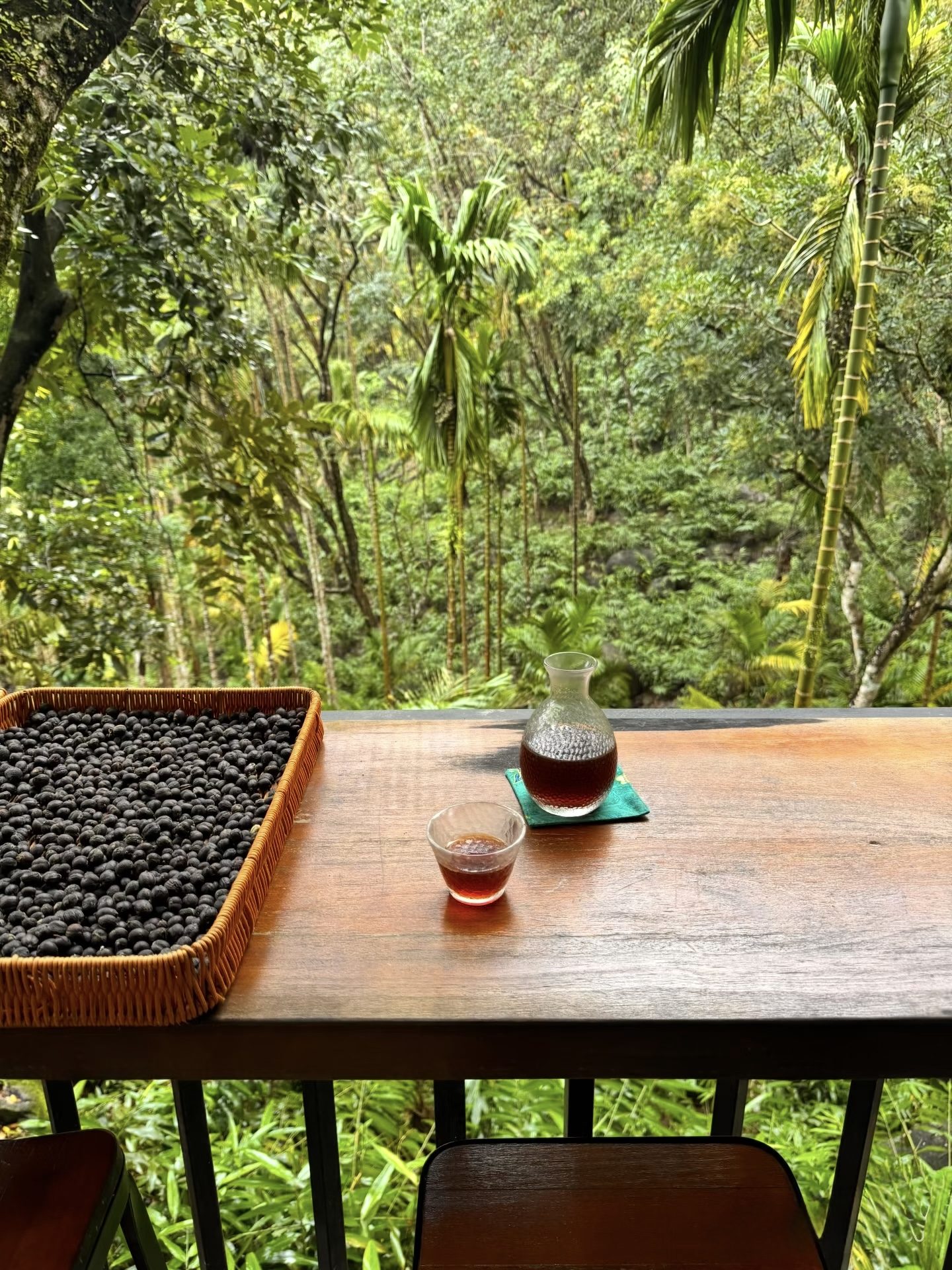
A short drive inland from Wanning sits Xinglong, a small town settled in the 1950s by overseas Chinese returning from Southeast Asia. They brought coffee plants, cacao, and Nanyang-style cooking with them — a separate culinary lineage you won't find on the mainland. It's why Hainan has a coffee culture older than most of China's: Xinglong was growing and roasting its own beans decades before the first café opened in Beijing.
Visiting a plantation is the opposite of a museum tour. You walk the rows, pick a cherry, and watch it roasted — then drink the result a few steps from where it grew. It pairs naturally with the rest of a cuisine and coffee day, and it's the kind of afternoon that makes a surf trip feel like travel rather than just sessions.
Start at the morning market
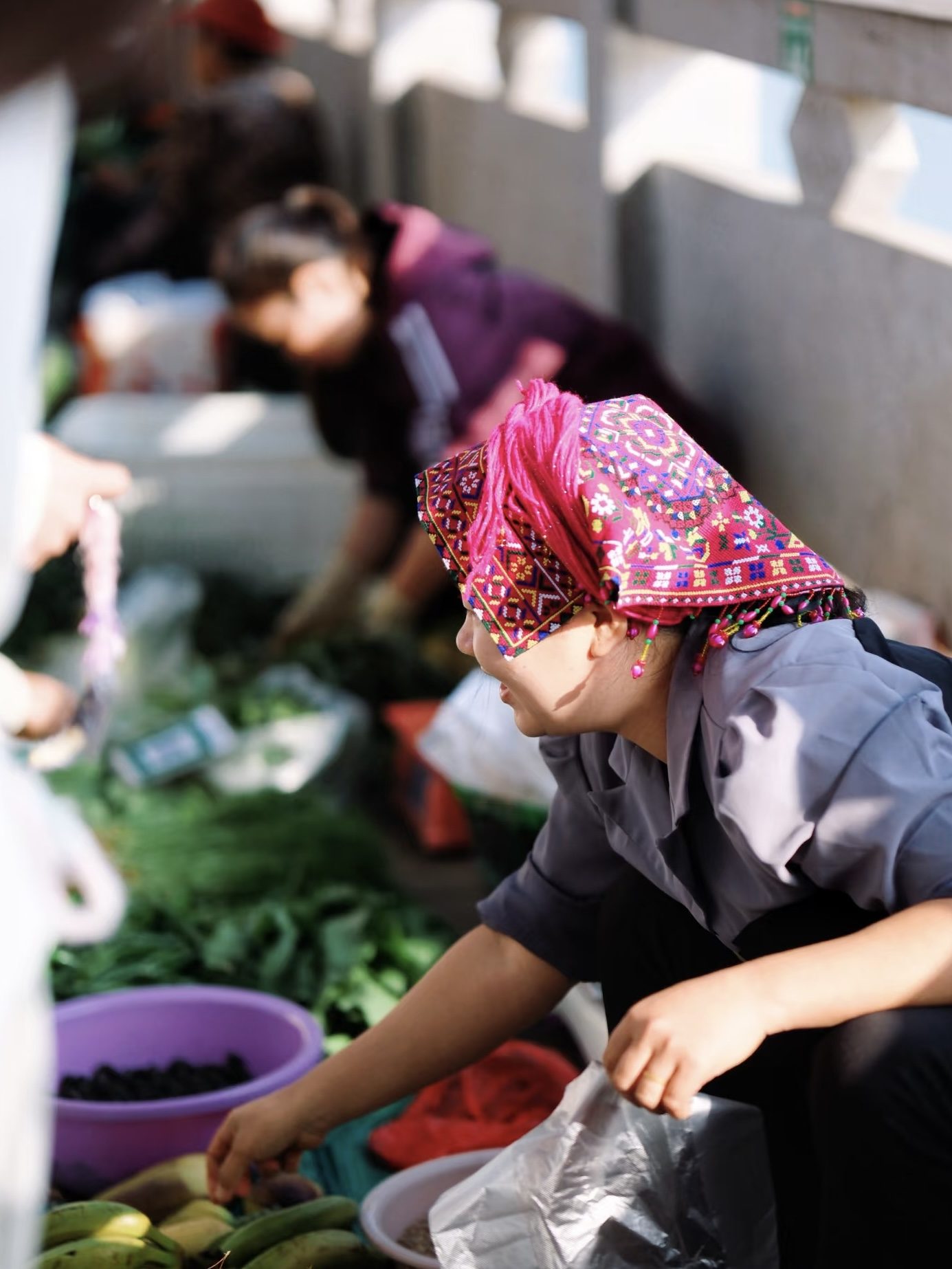
If you want to understand how this island eats, get up early once. Wanning's morning market is where the whole island actually shops: fishermen unloading the night's catch, stacks of tropical fruit you've never seen, pepper and chili piled a foot deep. Go with a local — we'll arrange it — and leave with breakfast. It slots neatly before a mid-morning pool session; check the surf calendar and build your day backwards from your wave.
What to order: the Hainan table
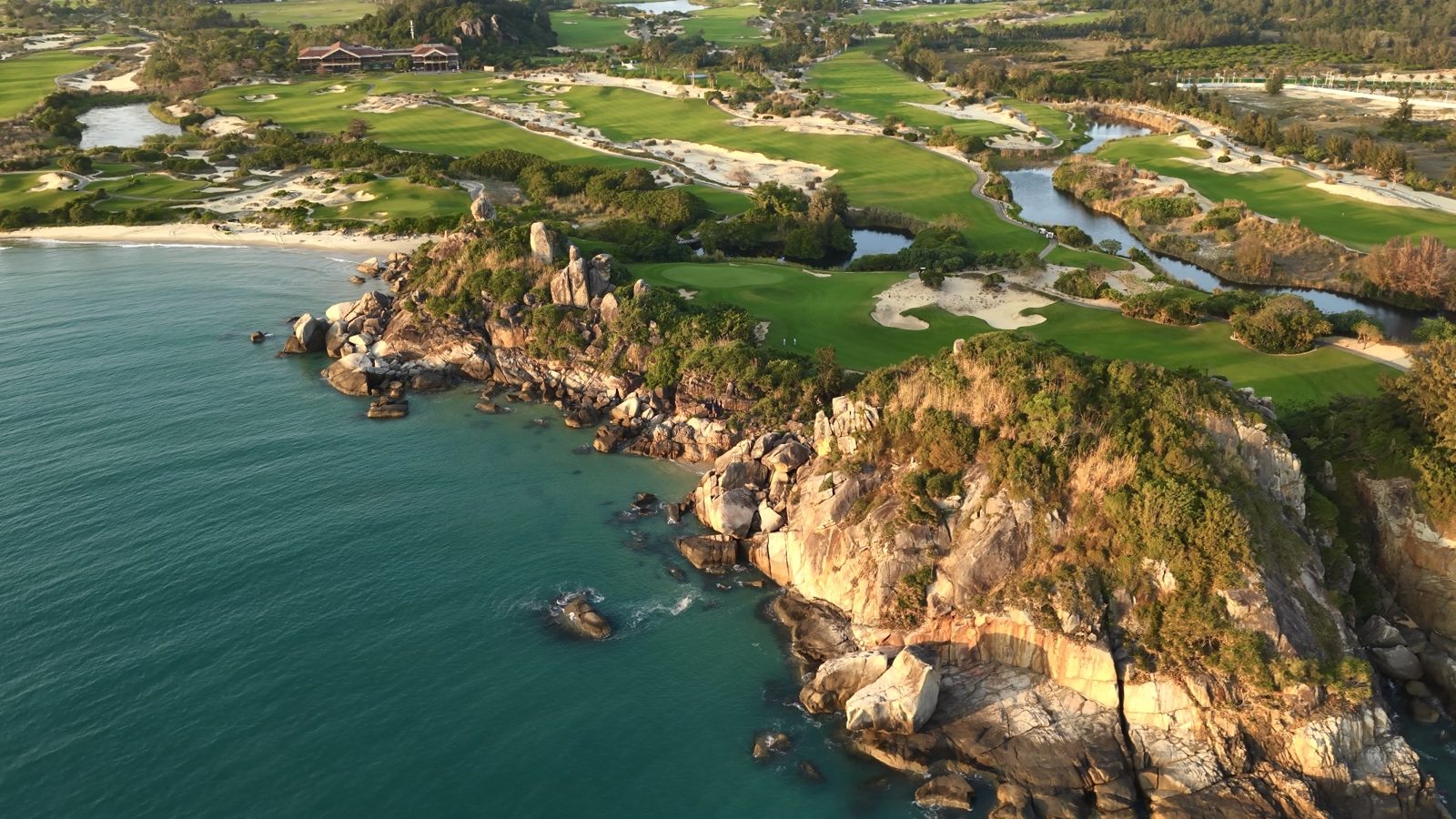
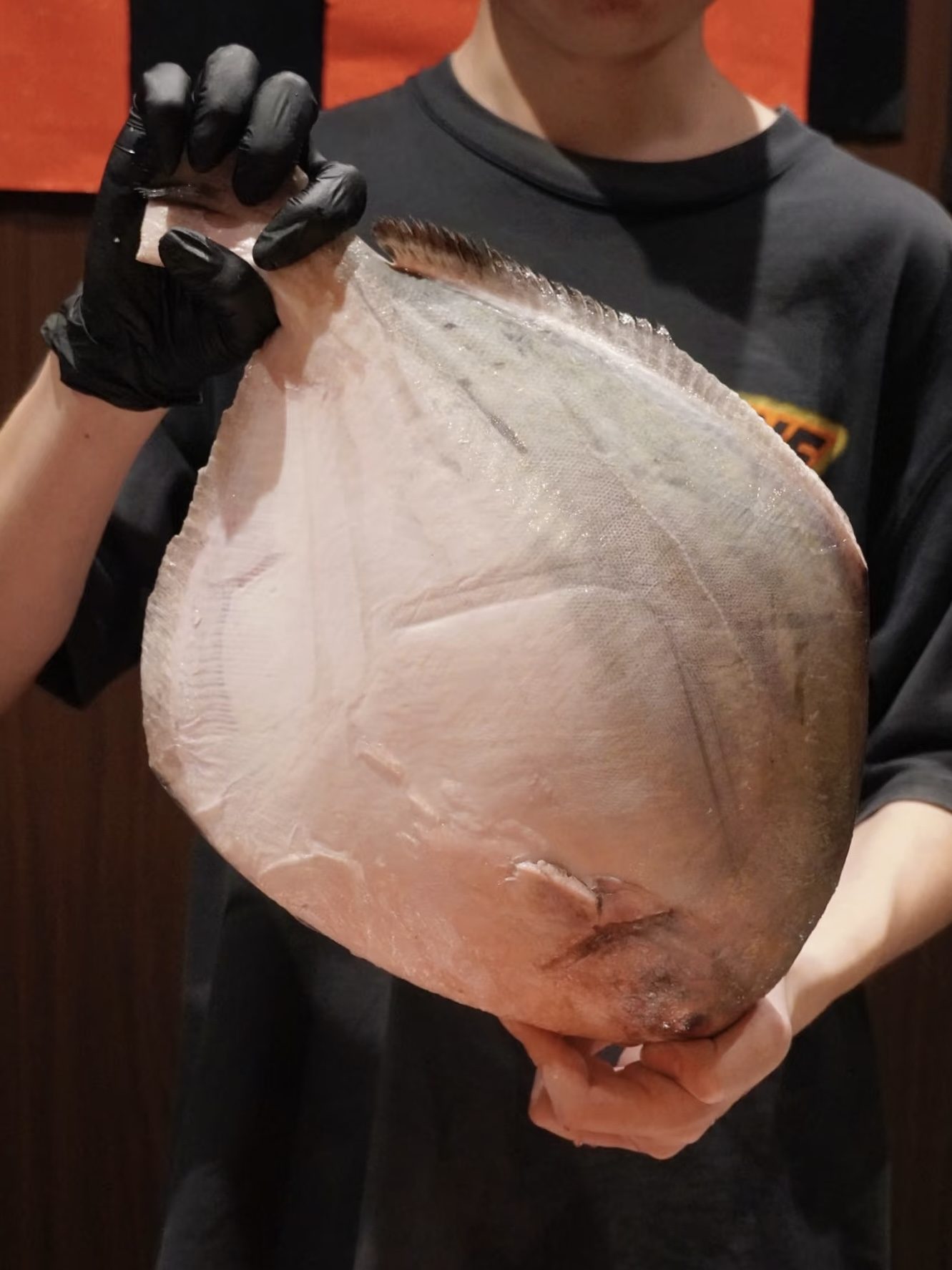
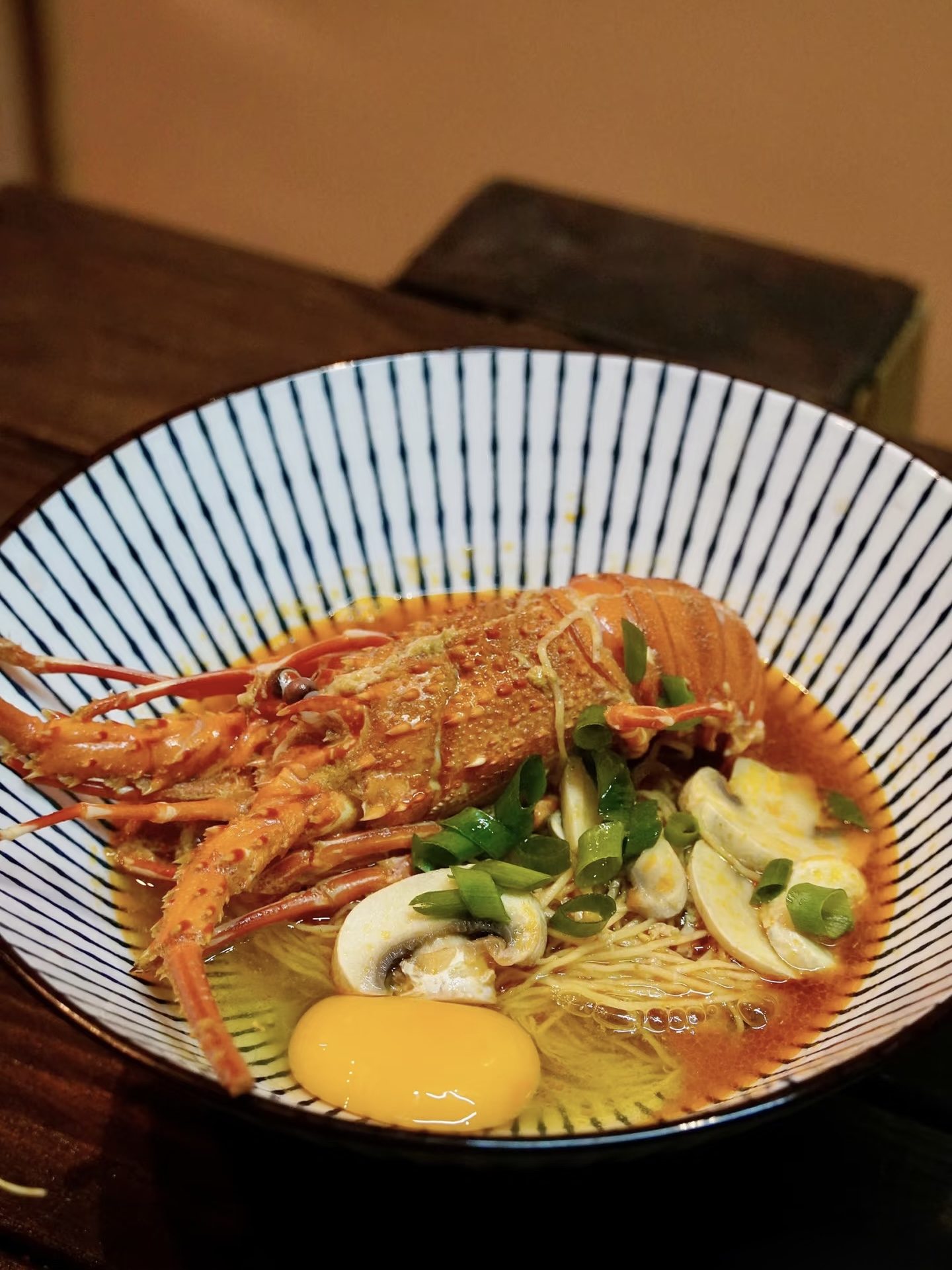
The island's signature dishes are built on freshness rather than fire. Wenchang chicken is Hainan's most famous export — the original behind the Hainanese chicken rice found across Southeast Asia. Coconut hotpot swaps the usual chili broth for fresh coconut water, and it's the local classic you'll crave after a day in the water. And then there are lobster noodles — boat-to-table, from the bays around Shenzhou Peninsula, near where the golfers in your group will be walking China's best links course.
The quieter dishes are where a guide earns their keep: we book the places locals actually eat, not the ones with picture menus. Most sit within an easy drive of the resorts at Riyue Bay and Shenzhou Peninsula.
Fruit, pepper and the rest of the pantry
The supporting cast deserves a mention. Hainan's pepper is piled a foot deep at the markets, and the fruit is a rotating cast of mango, lychee and coconut in whatever form the season allows — the mango and coconut desserts alone are worth saving room for. Because so little of the island's produce leaves the island, much of what you'll taste here simply isn't available on the mainland, let alone abroad. It's the quiet argument for eating your way through a trip: you can order a wave off the pool's menu any day of the week, but this table doesn't travel.
Bean to bar: chocolate from Hainan cacao
Here's the one nobody expects: Hainan grows cacao. A small chocolate maker near Xinglong runs a two-hour workshop that walks you through every step — pod to paste to tempered bar — and you leave with chocolate you made from beans grown down the road. It's the best rainy-hour insurance on the island, and an easy win with kids on a family wave pool trip.
A food day, at a glance
How it fits your surf trip
The beauty of a wave pool trip is that sessions are scheduled, not hoped for — so the rest of the day is genuinely yours to plan. A food day works as a half-day add-on around your surf blocks, and pairs well with the island's other layers: the Li culture and village life inland, or an ocean day at Riyue Bay's point breaks when the season delivers. Getting here is the easy part — 30 days visa-free for U.S., Australian, NZ, UK, Canadian and many other passports, with direct flights from Sydney and Melbourne to Haikou; details in the getting here guide.
Book your trip online in Book Your Wave, then tell us what your group likes to eat and we'll shape the day around it — or browse the trip packages, read more on the journal, or reach us at hello@surfchina.co or WhatsApp +8613893402173.